Difference Between Gopro Max 2 and Insta360 X5 Explained
Category: Electronics
360‑capable action cameras have become mainstream tools for adventure shooters, travel vloggers, and creators who want flexible framing and immersive footage. Two prominent models that attract attention are the GoPro Max 2 and the Insta360 X5. This article explains the practical differences between them, focusing on real‑world use cases, workflow implications, and the buying considerations that matter to most buyers.
Introduction
At a glance both cameras aim to capture immersive, stable footage in demanding environments, but each follows a slightly different philosophy. GoPro builds on decades of action camera DNA with a strong emphasis on ruggedness and fast, reliable single‑button workflows; Insta360 leans heavily into computational capture, flexible framing, and creative post‑production tools. For prospective buyers, the choice often comes down to how they shoot, how they edit, and which tradeoffs they’re willing to accept in terms of ergonomics, software, and accessories.
How these products are positioned
The GoPro Max 2 is presented as GoPro’s 360‑capable solution that doubles as a conventional action camera. It appeals to users who want an action‑camera experience with the ability to record 360 when needed, while relying on GoPro’s proven stabilization and rugged build. The Insta360 X5 represents Insta360’s continued focus on 360‑first innovation — prioritizing creative framing options, advanced stitching, and software features that let users reframe footage in post.
Detailed product analysis
Design, durability, and ergonomics
Both cameras are designed for outdoor use, but their approaches differ. The GoPro follows a compact, blocky action‑camera form factor with a focus on physical controls and quick mounting compatibility. That makes it comfortable for fast, one‑handed operation while wearing gloves or when used with glove‑friendly mounts.
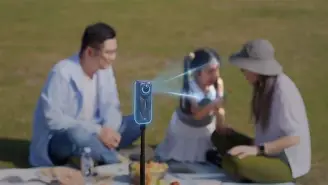
The Insta360 X5 tends to emphasize modularity and creative mounting options. Its body layout and included accessories usually cater to 360‑first workflows — for example, built‑in mounting points that make it easy to use 360‑specific rigs and the brand’s “invisible” selfie stick technique. In practice, users who want to experiment with unconventional mounts and creative capture angles may prefer the X5 approach.
Image quality and color science
Both cameras produce good-looking footage for social and web delivery. Buyers should expect differences in color rendering, dynamic range handling, and noise reduction. GoPro historically tunes for punchy color and contrast, producing images that look ready to publish with minimal grading. Insta360’s output is often designed to be neutral and flexible for reframing and post‑processing, which helps if a creator wants to grade or stitch aggressively.
In low‑light situations, differences may be noticeable: sensor size, processing pipelines, and noise‑reduction strategies all influence low‑light performance. Rather than relying on a single benchmark, buyers should consider sample clips from activities similar to their intended use (night rides, indoor sports, campfires) to judge which camera aligns with their content preferences.
Stabilization and motion handling
Stabilization is one of the decisive features for action cameras. GoPro’s stabilization (branded as Hypersmooth on prior models) focuses on smooth, natural motion for single‑lens and 360 modes. It is engineered to maintain horizon stability and minimize warping under aggressive movement.
Insta360 uses its FlowState stabilization and computational correction techniques that excel especially in 360 capture workflows where stitching and motion compensation are combined. Insta360’s stabilization tends to enable creative reframing without suffering from jitter after heavy cropping. Both systems perform well, but the perceived winner depends on the scenario: for purely single‑lens action footage GoPro’s mechanical approach and processing are very reliable; for reframed 360 footage and complex camera paths, Insta360’s software advantages often shine.
Audio and onboard recording
Onboard microphones on small action cameras are always a compromise. GoPro has historically improved microphone placement and wind reduction via software, producing cleaner ambient audio for on‑camera narration and casual shooting. Insta360 likewise provides decent onboard audio and often includes wind‑reduction modes in its app; however, creators who prioritise professional sound will want external mics or dedicated audio recorders regardless of the camera chosen.
Find top-rated Electronics products at great prices.
View Offers →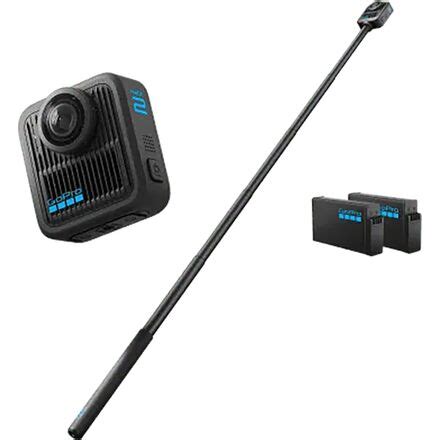
Battery life, heat, and recording limits
Battery life and heat management are practical concerns for day‑long shoots. Both cameras will experience reduced runtime under high‑resolution recording, stabilization enabled, or in hot environments. GoPro’s heritage in action sports means attention to thermal performance and quick battery swaps; Insta360 emphasizes efficient processing for continuous 360 capture but may impose certain recording limits to manage heat and file sizes. In any case, carrying spare batteries or external power is recommended for extended sessions.
Software, editing, and workflow
This is an area where differences are especially significant. Insta360 invests heavily in computational workflows: automatic stitching, single‑click reframing, and desktop/mobile editing tools that turn 360 footage into traditional flat framings with keyframing and AI‑assisted tracking. That workflow is ideal for users who want to capture everything and decide framing later.
GoPro’s software focuses on rapid sharing and effortless in‑camera or in‑app edits. For creators who shoot a run or a ride and want a finished clip quickly, GoPro’s ecosystem is geared to short production times. Both vendors offer desktop editors with more advanced controls, but Insta360’s reframing tools make the creative possibilities for virtual camera moves easier and faster to execute.
Accessories and ecosystem
GoPro benefits from a vast aftermarket of mounts, cages, and accessories that have been standardized over many years. That makes it easy to integrate the camera into existing rigs. Insta360 has an expanding accessory range targeted at 360 workflows (invisible sticks, VR rigs, specific mounts), and its accessories are optimized for those creative techniques. Buyers should consider what existing gear they own: GoPro users often gain instant compatibility with a large catalog of mounts; Insta360 users often find accessories designed to enhance stitching and invisibility effects.
Pros & cons
GoPro Max 2 — Pros
- Rugged, familiar action‑camera ergonomics: Easy one‑handed operation and widespread mount compatibility.
- Reliable stabilization for action footage: Smooth single‑lens performance for fast moving subjects.
- Streamlined quick‑share workflows: Fast mobile app edits and templates for social delivery.
- Strong accessory ecosystem: Works with a huge range of mounts and third‑party gear.
GoPro Max 2 — Cons
- 360 workflows are less emphasized: 360 capture exists but the workflow is less reframing‑centric than some competitors.
- Potential tradeoffs for ultimate creative flexibility: In‑camera rendering choices may favor ready‑to‑share clips over raw, highly flexible files.
- Onboard audio still limited: Good for casual use, but not a substitute for external mics in professional contexts.
Insta360 X5 — Pros
- 360‑first creative tools: Powerful reframing, stitching, and virtual camera movement capabilities.
- Advanced post‑production features: AI tracking, keyframing, and desktop/mobile tools that simplify complex edits.
- Innovative accessory support: Invisible selfie stick technique and 360‑specific mounts expand creative possibilities.
- Flexible output for multiple platforms: Capture everything and craft output for both VR and flat platforms.
Insta360 X5 — Cons
- Learning curve for full creative potential: To exploit reframing and stitching, users must invest time in the editing tools.
- Smaller third‑party accessory catalog for traditional mounts: Although improving, it may not match GoPro’s breadth in some niches.
- Battery and thermal considerations: Continuous 360 capture and heavy processing can impact runtime and heat‑management.
Side‑by‑side comparison table
| Aspect | GoPro Max 2 | Insta360 X5 |
|---|---|---|
| Primary design philosophy | Action‑camera first, 360 as an added mode | 360‑first, optimized for reframing and post production |
| Stabilization | Hardware + software tuned for smooth action footage | Computational stabilization optimized for 360 workflows |
| Workflow & editing | Fast in‑app edits, ready‑to‑share clips | Powerful reframing/stitching tools and AI features |
| Accessories & mounts | Large, mature ecosystem and many third‑party options | Purpose‑built 360 accessories; growing ecosystem |
| User skill required | Lower — quick results out of the box | Higher — more rewarding for those who edit extensively |
| Ideal use cases | Action sports, run‑and‑gun vlogging, quick social clips | Immersive travel footage, cinematic reframing, VR content |
Real‑world use cases and who benefits most
Action sports and first‑person POV
Riders, climbers, and surfers who want immediate, stable footage for social sharing will appreciate GoPro’s fast capture and simplified editing. Its mounting compatibility and ruggedness make it a go‑to for athletes who need predictable results in harsh conditions.
Travel creators and cinematic reframing
Creators traveling with heavy scenery or varied subjects who want to “choose the shot later” benefit from the Insta360 X5 approach. Recording full 360 scenes enables cinematic virtual camera moves in post, which is great for travel montages, city walkthroughs, and storytelling that leverages environment immersion.
Event capture and group content
360 cameras are excellent for immersive event coverage: weddings, group rides, and concerts. Insta360’s reframing tools make it easy to pull multiple angles from a single capture. That workflow reduces the need to swap mounts mid‑event and makes it easier to create highlight reels with dynamic perspectives.
Professional VR and content for interactive platforms
For creators targeting VR viewers or platforms that support 360 playback, Insta360’s stitching and export options are advantageous. The ability to deliver properly stitched and color‑matched spherical footage with fine control over projection and metadata is important for professional immersive distribution.
Buying guide: what to consider before choosing
1. Primary purpose of the camera
If most shoots are high‑adrenaline single‑lens action (mounts, handlebars, helmets), a GoPro is often the simpler, more forgiving choice. If the priority is the flexibility to reframe scenes and experiment with virtual camera moves, Insta360 makes more sense.
Find top-rated Electronics products at great prices.
See Deals →2. Editing workflow and time budget
GoPro is optimized for rapid turnaround: shoot, apply an in‑app template, and publish. Insta360 offers more creative control but demands a willingness to spend time in the editor. Buyers should be honest about their editing time budget.
3. Accessory compatibility and mounts
Consider existing gear. If there’s already a large collection of mounts and housings designed for GoPro, swapping to an Insta360 may require additional adapters or new accessories. Conversely, Insta360’s specialized mounts unlock effects that are hard to replicate otherwise.
4. Battery logistics and recording length
Assess typical session length. For half‑day rides or multi‑hour events, one or two extra batteries and a charging strategy are essential. If continuous 360 capture is needed, plan for power and cooling considerations.
5. Audio needs
Plan for external audio if voice clarity or ambient fidelity matters. Neither camera substitutes for a dedicated lavalier or recorder in professional scenarios.
6. Post‑production requirements
Determine whether advanced reframing, keyframing, and stitching controls are necessary. If so, prioritize a camera whose app and desktop suite fit the desired workflow and export formats (e.g., standard flat video vs. spherical VR packages).
7. Budget and long‑term value
Buyers should evaluate total system cost: camera plus accessories, spare batteries, and software subscriptions. Sometimes a slightly more expensive camera with a workflow that reduces editing time is a better value for creators who publish often.
Practical tips for choosing and using either camera
- Test sample footage first: Look for real user samples in shooting conditions similar to yours — night, high motion, indoor sports, etc.
- Prioritize comfort with the app: If an app’s editing flow feels intuitive, that alone can tip the decision because it affects daily productivity.
- Plan for storage: 360 and high‑frame‑rate footage consumes space quickly; invest in fast, high‑capacity microSD cards and a backup workflow.
- Practice mounting and framing: Spend time experimenting with different mounts and distances to achieve the best “invisible” stick or action POV for 360 shooting.
- Consider a hybrid approach: Many creators use both types of cameras — a GoPro for primary action shots and an Insta360 for wide environmental coverage and creative reframes.
Conclusion
Choosing between the GoPro Max 2 and the Insta360 X5 is less about which camera is objectively superior and more about which workflow matches a creator’s priorities. GoPro remains an excellent choice for shooters who want rugged reliability, fast turnaround, and a vast accessory ecosystem. Insta360 excels when creative reframing, advanced stitching, and 360‑first storytelling are the goals. For many users the best approach is to identify primary use cases — whether that’s single‑lens action footage for immediate sharing or immersive 360 captures to craft cinematic reframes — and select the camera whose design and software reduce friction for those tasks.
Both cameras deliver powerful capabilities; the right purchase decision comes down to how a buyer wants to shoot and edit. Equipped with the considerations and tips above, prospective buyers can weigh ergonomics, workflow, and ecosystem fit to decide which camera will better serve their creative output.