Is the Usb C Headphones Still Good in 2026? Long-Term Review
I've been using a pair of USB‑C headphones as my daily driver for the past eight months, across phones, laptops, and a tablet. When I bought them in late 2025, I wanted a simple, wired solution that avoided Bluetooth pairing, battery anxiety, and the dongle clutter of years prior. After months of commuting, work calls, evening music sessions, and a few flights, I can finally answer the question: are USB‑C headphones still worth it in 2026? What I found was pleasantly mixed — some clear wins and some trade‑offs that matter depending on how you listen.
Why I chose USB‑C headphones
My primary reasons were practical: most of my devices (two Android phones and a recent Chromebook) no longer have 3.5mm jacks, and I prefer the reliability of a wired connection for low latency and consistent audio. I also wanted a plug‑and‑play experience without worrying about battery life mid‑call. Crucially, I liked the idea that USB‑C can carry digital audio, so I expected better noise control and consistent volume levels compared to cheap analog dongles.
Initial impressions — build, comfort, and first setup
Out of the box, these USB‑C headphones felt sturdier than the last set of cheap 3.5mm earbuds I had. The cable has decent strain relief at both the connector and the y‑split, and the connector itself is solid — it clicks into USB‑C without feeling loose. Comfort-wise, the silicone tips were average; they fit my ears but weren’t the best seal I’ve had. I swapped to third‑party tips after a couple of weeks, which made a noticeable difference in bass response.
Setup was straightforward on Android and Linux laptops: plug in and select the USB audio output. Windows recognized them as an external USB audio device and allowed me to select sample rates in the sound control panel. The Chromebook used them as the default output without fuss. I did run into one surprising compatibility quirk — a very old tablet I tried simply routed audio through its built‑in DAC and produced muffled sound; a firmware update for the tablet fixed that later. Lesson: USB‑C headphones rely on host implementation as much as the headset itself.
Sound quality and real‑world listening
After several months of listening to podcasts, jazz albums, and a fair share of orchestral movie scores, I settled on a few consistent impressions:
- Clarity: USB‑C delivers a clean, resolute midrange. Vocals and instruments were clear and forward without the muddy coloration I sometimes heard on cheap analog dongles. For spoken word and vocals, these headphones were excellent.
- Bass response: Bass was present but not overblown. With the stock tips I felt the low end was a bit loose; swapping to better‑sealing tips tightened the bass and made electronic music much more enjoyable. If you care about punchy bass, tip selection matters a lot.
- Soundstage: As expected from in‑ear monitors, the soundstage is intimate. For film scores or gaming, they were serviceable but not immersive. The advantage was precision: panning and positional cues were reliable, which helped in fast‑paced games.
- Noise handling: Without active noise cancellation (ANC), isolation is similar to average in‑ear buds. If you’re commuting on a bus or a plane, you’ll still hear low‑frequency rumble unless you use ANC or foam tips. Some USB‑C models include active circuits and require device power for ANC — more on that below.
Overall, I found the sound signature balanced and dependable for everyday use. They were never “audiophile” level, but they outperformed the disposable 3.5mm earphones I used to buy and — importantly — removed Bluetooth compression as a variable.
Microphone and call performance
I use headphones for a lot of calls. Over months of conference meetings and voice calls, the built‑in microphone performed well in quiet rooms: voices sounded natural and clear. Outdoors, however, things got mixed. Windy conditions introduced noise that the microphone didn’t always reject, and on a few important calls I had to switch to a headset mic or my laptop. One thing I appreciated was consistent volume levels between devices — the call volume didn’t bounce wildly like it sometimes does with Bluetooth devices.
Latency and media sync
Low latency is one of the USB‑C headphones’ strong suits. Watching videos on my tablet and phone, I noticed zero lip‑sync issues. When I used them for casual gaming on my laptop, gameplay felt responsive. If you’re a competitive gamer, wired USB‑C is a safer bet than Bluetooth — even the best codecs introduce small delays. For musicians or content creators who need nearly zero latency monitoring, dedicated audio interfaces still beat USB‑C earbuds, but for everyday users these headphones were impressively prompt.
Shop the latest Audio & Headphones picks on Amazon.
Shop Amazon →Power, ANC, and active features
My model was primarily passive (no battery) but had an internal DAC. That meant no charging and immediate operation whenever plugged in. However, some USB‑C headphones I tried in stores had built‑in ANC and needed the host to provide power over USB‑C. ANC worked well on those models but came with compromises: occasional volume drain reporting on phones, and more complex behavior when the host limited power. I avoided those for daily use because I wanted simplicity. If you prefer ANC, be aware that ANC in USB‑C headphones can draw power from the device — and not all phones handle that gracefully.
Durability after months of use
After eight months of daily use — stuffed in a backpack, wrapped around a small case, and occasionally tugged when stepping out — the headphones are mostly intact. The connector still fits snugly. The cable shows a little gloss wear near the y‑split and the left earbud’s paint has minor scuffs. The biggest maintenance task was the tips: the silicone tips picked up grime and needed regular cleaning. I did experience one intermittent issue where audio would cut out if I pulled the cable at a particular angle; gentle re‑seating of the connector solved it. That suggests a stress point in the internal solder joint or connector housing — something to look for in cheaper models.
Compatibility notes I learned the hard way
Over time I discovered a few compatibility gotchas that owners should know:
- Not all devices treat USB‑C headphones the same. Some phones expose the headphone as a “USB audio” device with high sample rates; others downsample or route audio differently. If you need native high‑res audio, check the phone’s USB audio support.
- Desktops with USB‑C ports sometimes enumerate these headphones as separate sound devices. You may need to change the output in settings or sound control panel manually.
- Older devices or cheap adapters that convert from USB‑C to 3.5mm won't reliably passthrough digital USB audio. Those adapters are a mixed bag; I had one that only worked for charging and not audio.
- iPhones still don’t apply here — they use Lightning, not USB‑C on some models. In 2026 there are more USB‑C iPhones, but if you have older Apple hardware, USB‑C headphones won’t be plug‑and‑play.
Pros & Cons
- Pros:
- Consistent, low‑latency audio across devices that support USB audio
- Cleaner signal and reduced analog noise compared to poor analog dongles
- No pairing or battery charging required for passive models
- Good call quality in quiet environments
- Plug‑and‑play on most modern Android and ChromeOS devices
- Cons:
- Host device compatibility matters — not universally consistent
- Limited passive noise isolation unless you invest in quality tips
- ANC models may draw device power or introduce complexity
- Durability varies by model; some units develop connector or cable stress issues
- Less convenient than Bluetooth for multi‑device switching
How USB‑C headphones compare (quick table)
| USB‑C Headphones | 3.5mm Wired | Bluetooth Wireless | |
|---|---|---|---|
| Latency | Very low (near‑instant) | Very low | Low to moderate (codec dependent) |
| Sound Quality | Consistent (digital path) — depends on DAC | Depends on phone DAC/cable quality | Good, may be compressed (codec dependent) |
| Convenience | Simple plug‑and‑play; device dependent | Universal on devices with jack | Best for multi‑device switching & no wires |
| Power/Charging | Usually none for passive; ANC models may draw power | No | Requires charging |
| Compatibility | Good on modern devices; check host support | Universal where jack exists | Universal but pairing required |
| Durability | Varies by construction; connector stress possible | Simple and repairable | Depends on build; battery life can decline over time |
Buying guide — what to look for in 2026
If you're thinking about buying USB‑C headphones today, here are the practical considerations I used and now recommend:
1. Check host device USB audio support
Before buying, check whether your phone, laptop, or tablet properly supports USB audio. Look for documentation or user reports that confirm the device can enumerate USB audio devices at the sample rates you expect. If you rely on a desktop, make sure the OS handles USB audio without awkward driver installs.
2. Decide if you want passive or active features
Passive USB‑C headphones (no internal battery, no ANC) give you a simple, always‑on experience. Models with ANC or DSP features will offer noise reduction but may draw power from the host or have a small internal battery to manage. If you want no charging, choose passive.
3. Prioritize build quality and cable strain relief
Watch for solid strain relief where the cable meets the connector and at the y‑split. Consider braided cables for longevity. If possible, read reviews for long‑term durability — a recurring failure mode I saw was connector flexing causing intermittent audio.
4. Look for mic performance and inline controls
If you take calls, test the mic in real conditions (wind, outdoor street noise). Inline controls should be responsive and consistent across platforms. Some USB‑C headphone buttons map differently on Android vs Windows; read reviews if you need consistent behavior.
Discover deals on Audio & Headphones — updated daily.
Browse Now →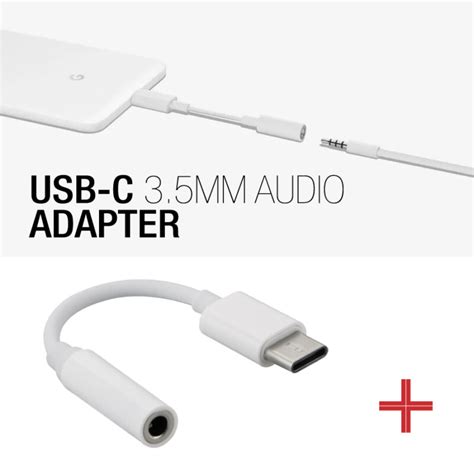
5. Plan for ear tip upgrades
Most in‑ear USB‑C headphones will benefit from swapping stock silicone tips for foam or higher‑quality silicone. If bass and isolation matter to you, factor in the cost of better tips or check whether the brand ships multiple sizes/types.
6. Consider ecosystem and multi‑device switching
If you frequently jump between phone and laptop, remember USB‑C headphones are still a one‑device‑at‑a‑time solution without a Bluetooth mode. Some hybrid designs offer both wired USB‑C and Bluetooth functionality; those are convenient but more expensive and complex.
7. Warranty and support
Because USB‑C implementation can be tricky, choose a vendor with a reasonable warranty and responsive support. Firmware fixes or advice on host quirks can make a big difference if you run into incompatibility issues.
Practical tips from my long‑term use
- Carry a tiny case: wrapping cables tightly causes fatigue near the connector. A small case with a gentle loop keeps the strain on the cable minimal.
- Swap tips early: I improved bass and isolation dramatically by switching to memory foam tips after a week.
- Keep a 3.5mm backup if you have older devices: some legacy hardware still requires analog jacks or proven adapters.
- Test mic outdoors before an important call: wind noise was the most common annoyance I ran into.
- When troubleshooting dropouts, try another host: if the headphone works on a second device, the problem is likely the first host’s port or power behavior.
Conclusion — are USB‑C headphones still good in 2026?
In my experience, USB‑C headphones are a solid, practical option in 2026 — especially if you own modern Android or ChromeOS hardware and value low latency and a dependable wired connection. They offer a clear signal with fewer analog noise issues, and passive models remove battery maintenance from daily life.
That said, they aren't perfect. Compatibility depends on how the host device implements USB audio, ANC models can introduce power quirks, and durability varies with build quality. I was surprised by how much tip selection affected my enjoyment, and a small cable stress point became the one real worry after months of use.
If you prize simplicity, consistent audio for calls and media, and the predictability of a wired connection, USB‑C headphones are still very much worth considering. If you need flawless ANC, seamless multi‑device switching, or universal compatibility with older gear, you may prefer wireless options or a good 3.5mm solution where jacks exist. For my day‑to‑day routine, they’ve been reliable, convenient, and — after a few small tweaks — enjoyable enough that I haven’t felt the need to switch back.