Should You Upgrade from Samsung Galaxy Tab S11 Ultra to Msi Cubi Nuc Ai Plus 2Mg?
The tech landscape is currently undergoing a seismic shift driven by the integration of Artificial Intelligence at the hardware level. For power users, this evolution often complicates the decision-making process when it comes to upgrading. Traditionally, a user might compare one tablet to its successor or one desktop to another. However, as mobile hardware becomes more capable and desktop hardware becomes more compact, many professionals and enthusiasts are asking a unconventional question: should they move from a high-end flagship tablet like the Samsung Galaxy Tab S11 Ultra to a dedicated AI-powered mini PC like the MSI Cubi NUC AI Plus 2MG?
This comparison is not just about raw specs; it is a fundamental evaluation of "mobile-first" versus "workstation-centric" productivity. The Samsung Galaxy Tab S11 Ultra represents the absolute pinnacle of the Android ecosystem, offering a breathtaking OLED display and an ultra-portable form factor. On the other hand, the MSI Cubi NUC AI Plus 2MG is a vanguard of the new "AI PC" generation, packing Intel’s latest NPU-equipped processors into a chassis that fits in the palm of a hand. This article explores whether the leap from a luxury tablet to a specialized AI desktop is the right move for your specific workflow.
Understanding the Hardware Philosophy
Before diving into the technical nuances, it is essential to understand the design philosophy of these two devices. The Samsung Galaxy Tab S11 Ultra is designed for consumption and creation in equal measure. It is a device that lives in a backpack, shifts from a coffee shop to a boardroom, and relies heavily on touch and pen input. Its strength lies in its versatility as a multimedia powerhouse and a digital canvas.
Conversely, the MSI Cubi NUC AI Plus 2MG is a stationary powerhouse. While its "mini PC" designation makes it technically portable, it requires an external monitor, keyboard, and mouse to function. It is designed for those who need sustained performance, extensive connectivity, and the specialized processing power required for local AI workloads, such as running LLMs (Large Language Models) or AI-augmented video editing, without relying on the cloud.
The Samsung Galaxy Tab S11 Ultra: The Mobile Standard
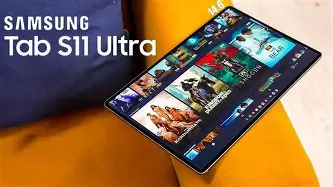
The Galaxy Tab S11 Ultra remains a marvel of engineering. Its 14.6-inch Dynamic AMOLED 2X display is widely considered the best screen available on any mobile device. For users who prioritize color accuracy, deep blacks, and a high refresh rate for HDR content or illustration, the tablet offers a visual experience that the MSI Cubi NUC simply cannot replicate without a multi-thousand-dollar external monitor.
Under the hood, the Tab S11 Ultra utilizes a high-performance ARM-based processor. While exceptionally fast for mobile apps, it operates within the constraints of Android. Even with Samsung DeX, which provides a desktop-like interface, it still faces limitations in window management, file system access, and the availability of professional-grade software compared to a full Windows or Linux environment. For the digital artist or the frequent traveler, the S Pen integration and the 5G connectivity options make it a tool that enables productivity anywhere.
Pros of the Samsung Galaxy Tab S11 Ultra
- Superior 14.6-inch OLED display providing unmatched visual clarity and contrast.
- Extreme portability with an ultra-thin design that fits into any lifestyle.
- Included S Pen provides the best-in-class latency for drawing, note-taking, and precise editing.
- Integrated 5G capabilities allow for a truly "always-connected" experience.
- Exceptional battery life for media consumption and light productivity tasks.
Cons of the Samsung Galaxy Tab S11 Ultra
- Android OS limitations can stifle complex professional workflows.
- Thermal throttling occurs during sustained heavy loads like 4K video rendering.
- USB-C port expansion is limited compared to desktop environments.
- Fixed RAM configurations prevent user-end upgrades or future-proofing.
The MSI Cubi NUC AI Plus 2MG: The AI Frontier
The MSI Cubi NUC AI Plus 2MG enters the scene as a solution for a very different set of problems. Its primary selling point is the integration of Intel's latest Core Ultra processors, which feature a dedicated Neural Processing Unit (NPU). This piece of silicon is specifically designed to handle AI tasks efficiently, such as background blur in video calls, noise suppression, and local generative AI tools. While the Samsung tablet can perform AI tasks via its NPU, the desktop-class power in the MSI allows for much higher throughput and longer periods of sustained activity.
Connectivity is where the MSI Cubi NUC devastates the tablet. With dual Thunderbolt 4 ports, multiple USB-A slots, and dual 2.5G LAN ports, it is a hub for a professional desk setup. It can drive up to four 4K displays simultaneously, making it an ideal candidate for stock traders, software developers, or data analysts who require immense screen real estate. Furthermore, because it is a NUC (Next Unit of Computing) style device, it offers a level of repairability and upgradability—users can typically swap out the RAM or the NVMe SSD, something impossible on the Samsung tablet.
Pros of the MSI Cubi NUC AI Plus 2MG
- Dedicated NPU significantly accelerates local AI processing and machine learning tasks.
- Desktop-grade Intel Core Ultra performance handles heavy multitasking with ease.
- Extensive I/O including Thunderbolt 4 for high-speed data and multiple display outputs.
- Compact footprint saves desk space while maintaining full PC functionality.
- User-upgradable memory and storage provide a much longer ceiling for device longevity.
- Active cooling system prevents performance drops during long work sessions.
Cons of the MSI Cubi NUC AI Plus 2MG
- Requires a significant investment in peripherals (monitor, keyboard, mouse).
- Zero functionality without a power outlet; it is not a "portable" device in the traditional sense.
- Lacks the tactile, intuitive experience of a touchscreen and stylus.
- Higher power consumption compared to the efficiency-focused ARM architecture of the tablet.
Direct Comparison: Side-by-Side Analysis
To better understand how these two titans stack up, let us look at the technical specifications and use-case applications in a comparative format. Note that while they serve different categories, their price points often overlap when the tablet is equipped with its keyboard cover and high-tier storage.
Looking for the best Laptops & Computers deals on Amazon?
Browse Now →
| Feature | Samsung Galaxy Tab S11 Ultra | MSI Cubi NUC AI Plus 2MG |
|---|---|---|
| Primary Use Case | Mobile Creativity & Multimedia | Professional Desktop & AI Development |
| Operating System | Android 14+ with Samsung DeX | Windows 11 Pro / Linux Compatible |
| Display | 14.6" Dynamic AMOLED 2X (Integrated) | None (Supports up to 4x 4K Monitors) |
| Processor Type | ARM-based Flagship (Snapdragon/Exynos) | Intel Core Ultra (with Dedicated NPU) |
| RAM / Storage | Fixed (12GB/16GB) | Upgradable (Supports up to 64GB DDR5) |
| Port Selection | 1x USB-C 3.2 | 2x Thunderbolt 4, 4x USB-A, 2x HDMI, 2x LAN |
| Input Method | Touch, S Pen, Optional Keyboard | Keyboard, Mouse, External Peripherals |
| AI Capabilities | Mobile-focused NPU (Efficiency) | Desktop-focused NPU (High-throughput) |
Use Case Analysis: Who Should Upgrade?
Numerical specs only tell half the story. The real decision lies in the daily routine of the user. Below are several real-world scenarios that illustrate why someone might—or might not—make the switch to the MSI Cubi NUC AI Plus 2MG.
The "Home Office" Hybrid Worker
If you have been using the Samsung Galaxy Tab S11 Ultra as your primary "laptop replacement" at home, you have likely encountered the frustrations of Samsung DeX. While impressive, DeX often struggles with browser-based applications that require full desktop Chrome extensions or specialized corporate software that only runs on x86 architecture. For this user, upgrading to the MSI Cubi NUC is a massive revelation. You gain the ability to run full desktop versions of Excel, specialized CAD software, and creative suites like Adobe Premiere Pro without the "mobile-first" compromises. The transition from a 14-inch screen to a dual 27-inch monitor setup powered by the Cubi NUC will result in a significant productivity boost.
The AI Enthusiast and Developer
The "AI Plus" moniker in the MSI device isn't just marketing. As more software incorporates local AI processing—such as Copilot+ features in Windows or local instances of Stable Diffusion—the NPU becomes vital. The Samsung Tab S11 Ultra is excellent at using AI for photo editing (like object erasure) or live translation, but it is not built for developers who want to compile code or run intensive AI models locally. The MSI Cubi NUC AI Plus 2MG provides the necessary thermal headroom and architecture to explore the burgeoning world of AI software development and local execution, making it the clear choice for the tech-forward professional.
The Creative Professional: Artist vs. Editor
In this category, the "upgrade" path is actually a fork in the road. For the digital illustrator or concept artist, moving from the Samsung Tab S11 Ultra to the MSI Cubi NUC might feel like a downgrade. The loss of the direct-to-screen drawing experience with the S Pen is a major hurdle. However, for a video editor or a 3D renderer, the MSI Cubi is a significant step up. The ability to connect high-speed external storage arrays via Thunderbolt 4 and the increased RAM capacity allows for handling 4K and 8K video timelines that would cause the Samsung tablet to lag and overheat.
Buying Guide: Key Factors to Consider
If you are contemplating this transition, ask yourself the following four questions to ensure you are making a move that suits your needs:
1. Is Portability Non-Negotiable?
If your work happens on planes, in trains, or while sitting in park benches, the Samsung Galaxy Tab S11 Ultra is your only viable option. The MSI Cubi NUC, despite its small size, is tethered to a desk. It requires a monitor and a power brick. If you value the "pick up and go" nature of your tech, stay with the tablet.
2. Do You Need Specialized Software?
Check your software library. Are you frequently searching for "Android alternatives" to Windows programs? If you need the full version of ArcGIS, AutoCAD, or complex statistical tools like SPSS, the MSI Cubi NUC is a necessary upgrade. The Windows ecosystem remains the gold standard for professional software compatibility.
3. What is Your Screen Preference?
The Samsung tablet provides a singular, high-quality screen. The MSI Cubi NUC allows you to curate your own visual environment. If you find the 14.6-inch screen too cramped for multitasking, the ability of the NUC to drive a triple-monitor setup is a game-changer for workflow efficiency.
Discover deals on Laptops & Computers — updated daily.
Shop Amazon →4. Are You Ready for the AI Revolution?
The NPU in the MSI Cubi NUC AI Plus 2MG is designed for the future of Windows. As Microsoft integrates deeper AI layers into the OS, hardware with a dedicated NPU will see performance benefits in everyday tasks like search, organization, and automated workflows. The Samsung tablet is powerful, but its AI features are largely siloed within the Samsung/Google ecosystem.
Thermal Management and Sustained Performance
One of the most overlooked aspects of the tablet-to-mini PC comparison is thermal efficiency. The Galaxy Tab S11 Ultra is fanless. While this makes it silent, it also means the device must lower its clock speeds (throttle) once it reaches a certain temperature to prevent hardware damage. This is why a tablet might start a video export quickly but slow down significantly halfway through.
The MSI Cubi NUC AI Plus 2MG features an active cooling solution. Because it is a desktop, it can maintain its peak performance for hours on end. For tasks like batch-processing AI-enhanced photos or compiling large software projects, the MSI will finish the job much faster than the Samsung, simply because it doesn't have to "catch its breath" to stay cool. This makes it a more reliable tool for time-sensitive professional work.
The Ecological and Financial Impact
From a sustainability and value standpoint, the MSI Cubi NUC AI Plus 2MG offers a different proposition. Tablets are largely "disposable" high-end tech; once the battery degrades or the screen cracks, the cost of repair often nears the cost of replacement. Furthermore, you cannot add more RAM to a tablet three years down the line to keep it feeling fast.
The MSI Cubi NUC is built with longevity in mind. Because the components are accessible, you can double your RAM or quadruple your storage for a fraction of the cost of a new device. This "modular" approach to computing is better for the environment and better for your wallet in the long run. If you are looking for a device that will remain a capable workstation for five or more years, the MSI is the superior investment.
Conclusion
Choosing between the Samsung Galaxy Tab S11 Ultra and the MSI Cubi NUC AI Plus 2MG is ultimately a choice between freedom and power. The Samsung Galaxy Tab S11 Ultra is an exquisite piece of hardware that offers the best mobile experience on the planet. It is the king of content consumption, social media management, and digital illustration. For many, its "good enough" performance in DeX mode satisfies their productivity needs while providing the luxury of a stunning OLED panel.
However, the MSI Cubi NUC AI Plus 2MG represents a move toward a more robust, future-proof, and capable computing environment. If you find yourself hitting the "wall" of what Android can do, or if you are curious about the potential of local AI processing and need the versatility of a full desktop I/O, the MSI Cubi NUC is not just an upgrade; it is a transformation of your workspace. While you lose the beautiful integrated screen and the S Pen, you gain a professional-grade AI PC that can grow with you and your professional demands. Transitioning to the MSI Cubi NUC is the right choice for anyone ready to trade the convenience of a tablet for the uncompromising performance of an AI-driven desktop workstation.